Choosing between today’s live selling platforms is no longer as simple as asking which app has the largest audience. Each platform creates a different shopping environment, attracts different buyer behavior, and gives sellers different tools for discovery, engagement, checkout, promotion, and analytics.
A beauty brand built around short-form content may perform very differently on TikTok Shop than a collectibles seller using auction-based livestreams. A retailer with an established marketplace store may find Shopee Live more natural, while a brand with a large video audience may prefer integrating commerce into YouTube.
The important question is therefore not:
“Which live selling platform is the biggest?”
It is:
“Which platform best matches our customers, products, content style, operational capacity, and sales process?”
This comparison looks at several major live selling platforms available to brands and sellers in 2026 and explains where each one fits.
Why Platform Selection Matters More Than Most Brands Think
Different platforms influence how customers discover and purchase products.
On one platform, viewers may encounter your livestream while scrolling through entertainment content. On another, they may already be browsing inside an e-commerce marketplace with stronger purchase intent. Elsewhere, customers may arrive because they already follow your channel or are actively looking for an auction.
That means your host, offer, stream length, content pace, promotions, and even product selection may need to change by platform.
A useful platform decision should consider:
- Where your target customers already spend time
- How customers discover LIVE sessions
- Whether checkout happens inside the platform
- Whether your products benefit from demonstrations
- Whether you need auctions or fixed-price selling
- How much livestream content your team can produce
- What promotional tools are available
- What analytics sellers can access
- Which countries the commerce features support
- Whether the platform fits your existing e-commerce operation
Infinity Hub takes the same approach with its professional Live Selling Service: TikTok Shop, Shopee Live, and other channels should not simply receive the same script and strategy. The platform should influence how the campaign is executed. Infinity Hub Live Selling Service
TikTok Shop LIVE: Strong for Discovery-Driven Commerce
TikTok Shop has developed one of the most integrated ecosystems among today’s live selling platforms.
Its LIVE Shopping environment allows sellers and creators to showcase products during livestreams and lets viewers shop while remaining inside the experience. TikTok also encourages LIVE to operate as a recurring content channel rather than an occasional promotional event. TikTok Shop
A major advantage is the relationship between short-form content and livestreaming.
A potential buyer might:
Discover a video → Visit the creator → Enter LIVE → Watch a demonstration → Open the product → Purchase
That makes TikTok particularly attractive for brands capable of producing frequent video content around their products.
TikTok’s 2026 LIVE Manager also provides desktop controls for scheduling, product management, giveaways, analytics, moderators, and OBS-based production. This makes the platform more practical for professional teams rather than purely mobile-first streamers.
TikTok Shop may fit brands that have:
- Visually demonstrable products
- Frequent short-form content
- Strong hosts
- Beauty, fashion, home, food, lifestyle, or consumer products
- An ability to livestream regularly
- Offers that work well with discovery-based shopping
TikTok’s September 2026 quality requirements also emphasize dynamic, interactive livestreams with clear product presentation and real-time host participation, rather than static or heavily prerecorded experiences. TikTok Shop
This means the platform rewards businesses capable of producing actual LIVE content—not simply displaying products in front of a camera.
Shopee Live: Strong for Marketplace-Ready Sellers
Shopee Live operates inside an established e-commerce marketplace.
Shopee describes the service as a livestream channel where sellers and hosts can promote products, interact with viewers through comments, and allow customers to purchase while watching. Its ecosystem also includes mechanisms such as vouchers and Shopee Coins. Shopee Help Center
That creates a different environment from TikTok.
TikTok often begins with entertainment and discovery.
Shopee frequently begins with commerce.
A customer entering Shopee may already be looking for products, checking prices, comparing sellers, or preparing to buy.
For brands with established Shopee stores, this can make the livestream a natural extension of their marketplace activity.
Shopee Live can be particularly useful when:
- Your catalog is already active on Shopee
- Customers respond to vouchers and marketplace promotions
- Your products compete heavily on price or bundles
- You participate in payday or double-day campaigns
- Your audience is already familiar with Shopee
- You want LIVE connected directly with marketplace listings
For Philippine sellers, Shopee Live remains particularly relevant because customers can interact with sellers and discover products without leaving the Shopee ecosystem.
TikTok Shop vs. Shopee Live
For many Philippine brands, this will be the most important comparison.
| Factor | TikTok Shop LIVE | Shopee Live |
|---|---|---|
| Primary environment | Content + commerce | Marketplace + commerce |
| Discovery style | Algorithm/content driven | Marketplace driven |
| Short-form integration | Very strong | More commerce focused |
| Product demos | Strong | Strong |
| In-app purchase | Yes | Yes |
| Promotions | LIVE and Shop tools | Vouchers, Coins, campaigns |
| Best fit | Discovery-led brands | Marketplace-led sellers |
Neither platform automatically wins.
A brand with highly visual, entertaining products may lean toward TikTok. A seller with a mature Shopee store and competitive marketplace pricing may find Shopee easier to integrate into existing operations.
Many brands can benefit from using both—but only if they have enough content, inventory, staff, and operational capacity to execute both properly.
YouTube Shopping: Strong for Content-Led Brands
YouTube approaches social commerce differently.
Eligible creators can connect stores or tag products from participating brands across videos, Shorts, and livestreams. YouTube also provides Shopping analytics so creators can review the performance of tagged products. Google Help
This creates an interesting opportunity for businesses whose customers need more education before purchasing.
Shopee Live can be particularly useful when:
- Technology
- Equipment
- Professional tools
- Hobby products
- Fitness gear
- Educational products
- Complex consumer products
A potential buyer might watch a detailed review, tutorial, comparison, or livestream before making a decision.
That makes YouTube potentially more suitable for products requiring longer consideration than highly impulse-oriented items.
Among live selling platforms, YouTube is particularly interesting because commerce can connect with an existing long-form content library.
A brand could publish:
Tutorial → Product Review → Short → LIVE Q&A → Product Link
instead of depending entirely on one livestream.
YouTube Shopping requirements and features
Whatnot: A Different Kind of Live Commerce
Whatnot deserves attention because it takes a much more marketplace- and community-driven approach to livestream commerce.
Sellers can host live shows, offer fixed-price products, run auctions, use giveaways, and interact with viewers in real time. The platform’s seller workflow includes inventory preparation, scheduled shows, shipping, seller tools, and payment management. Whatnot Help Center
Auctions are particularly central to the Whatnot shopping experience. Buyers can bid during live shows, while sellers can also use fixed-price purchasing depending on the listing.
This makes Whatnot especially interesting for: -
- Collectibles
- Trading cards
- Sneakers
- Vintage goods
- Memorabilia
- Specialty items
- Products with active enthusiast communities
Whatnot also introduced real-time seller leaderboards and promotional tools that can increase show visibility inside the platform. Whatnot Help Center
For brands selling conventional mass-market products, it may not be the first platform to prioritize. For businesses built around collectibles or enthusiast communities, however, its auction and community mechanics can be highly relevant.
Facebook Live: Better as a Community Channel for Some Brands
Facebook still deserves consideration even though its commerce structure differs from dedicated shopping platforms.
For many businesses, particularly those with established Pages, Groups, or regional communities, Facebook Live can provide access to an audience they already own.
This can be valuable for businesses that have spent years building:
- Facebook Page followers
- Private groups
- Messenger communities
- Local customer networks
- Repeat buyers
Instead of treating Facebook as the primary checkout platform, many brands can use it as an engagement and traffic channel.
For example:
Facebook Live → Messenger → Website
or
Facebook Live → Existing marketplace store
This can be especially practical for businesses whose customers are already highly active within Facebook communities.

What About Instagram Live?
Instagram can still play a valuable role around live selling platforms, particularly for visually oriented brands with strong follower communities.
Fashion, beauty, lifestyle, hospitality, and design-led brands can use LIVE for:
- Product launches
- Demonstrations
- Q&A sessions
- Influencer collaborations
- Collection previews
- Behind-the-scenes content
However, a business should distinguish between using LIVE to generate product interest and using a platform that provides a fully integrated live-commerce checkout experience.
The two are not always the same.
Should You Use One Platform or Several?
Multi-platform live selling sounds attractive because it potentially creates more reach.
But expanding too early can create operational problems.
Every additional platform may require different:
- Product listings
- Promotions
- Host styles
- Scripts
- Moderation
- Reporting
- Marketplace logistics
- Content formats
A smaller brand may perform better by dominating one platform before expanding.
A more established brand might build a portfolio such as:
TikTok Shop for discovery
Shopee Live for marketplace conversion
YouTube for education
Facebook for community retention
The right mix depends on your actual customer journey.
How to Choose Between Live Selling Platforms
Before opening accounts everywhere, answer six questions.
1. Where are your customers?
Don’t choose a platform simply because competitors use it.
Identify where your target customer already consumes content and shops.
2. What type of product are you selling?
Demonstration-heavy beauty products may behave differently from high-consideration electronics or collectible items.
3. How does your customer make decisions?
Impulse-oriented products may benefit from fast discovery.
Technical products may require longer demonstrations and educational content.
4. Can your team produce enough content?
Some platforms reward frequent, platform-native content.
Without a strong content pipeline, your LIVE sessions may struggle to attract viewers consistently.
Infinity Hub’s Social Media Marketing and Multimedia services can support the content surrounding live commerce campaigns. Social Media Marketing Multimedia & Animation
5. Can your operation handle orders?
Marketing is only half of live selling.
You still need inventory accuracy, packaging, fulfillment, customer support, returns, and marketplace compliance.
A successful livestream that generates more orders than your operation can fulfill may create customer-service problems rather than sustainable growth.
6. What does success actually mean?
Define your target.
It might be:
- Revenue
- Orders
- Product discovery
- New customers
- Followers
- Repeat purchases
- Customer questions
- Launch awareness
Your objective influences which metrics and platforms matter most.
Live Selling Platform Comparison at a Glance
| Platform | Strongest Use Case | Commerce Style |
|---|---|---|
| TikTok Shop LIVE | Discovery + conversion | Entertainment-led social commerce |
| Shopee Live | Marketplace sellers | E-commerce marketplace LIVE |
| YouTube Shopping | Educational/product content | Content-led commerce |
| Whatnot | Collectibles & enthusiast categories | Auction/community commerce |
| Facebook Live | Established communities | Engagement + external conversion |
| Instagram Live | Visual brands & launches | Community/product discovery |
This should be treated as a strategic starting point—not a universal ranking.
Why Production Still Matters Regardless of Platform
Choosing the right live selling platforms will not compensate for weak execution.
Customers still need to clearly see and understand the product.
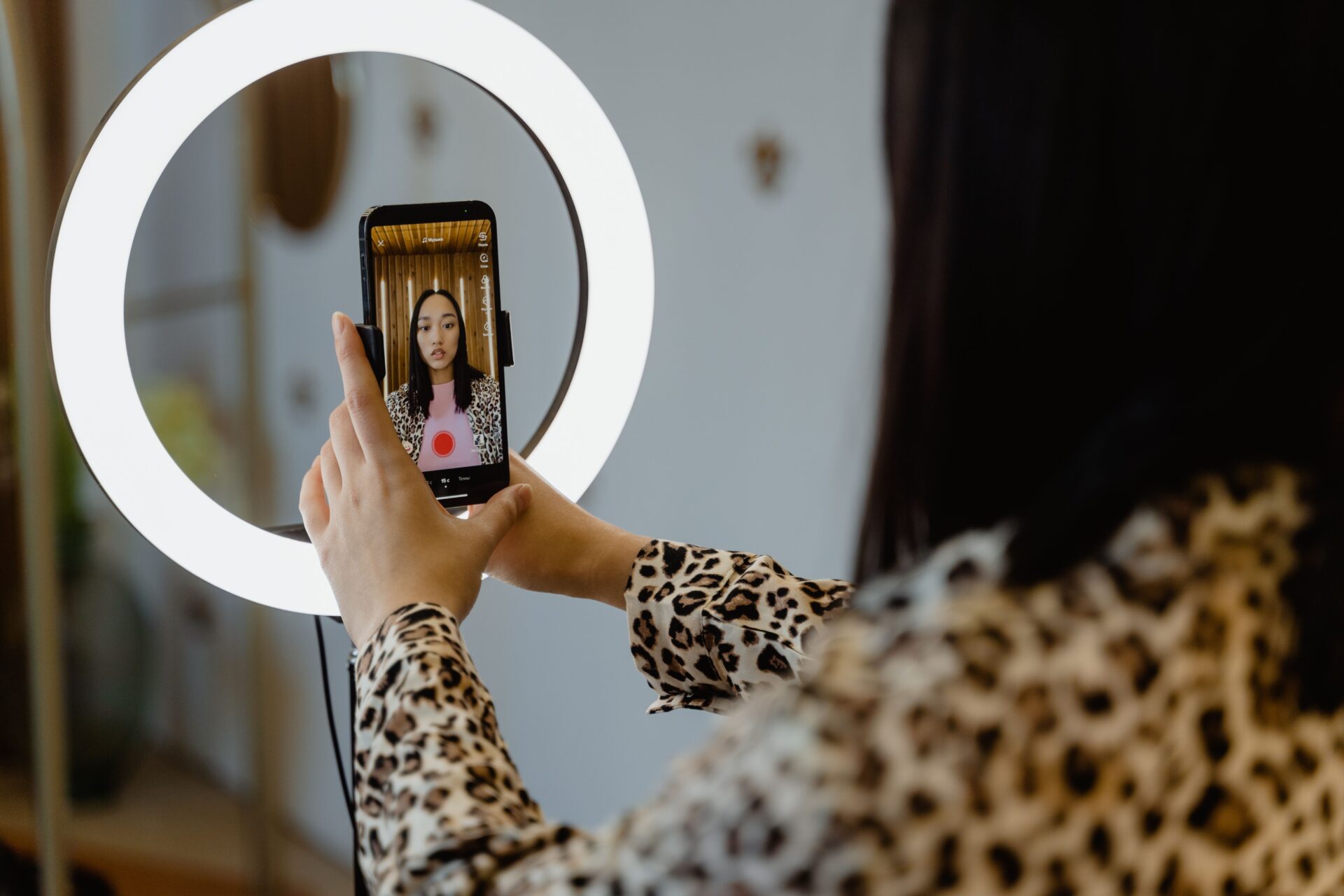
A professional setup should consider:
- Lighting
- Audio
- Cameras
- Internet reliability
- Product staging
- Host positioning
- Branding
- Moderation
- Technical backup
Your production level should match the complexity and value of the products being presented.
Infinity Hub’s Live Selling service includes studio-grade production, trained hosts, multi-platform execution, campaign strategy, and post-session reporting.
Don't Copy the Same LIVE Across Every Platform
One of the easiest mistakes is using exactly the same show everywhere.
A script created for TikTok’s fast-moving discovery environment may not be ideal for a marketplace-driven Shopee audience.
A 20-minute product education segment that works for YouTube might be too slow elsewhere.
A collectibles auction designed for Whatnot may make no sense for conventional retail shoppers.
Adapt:
Host style
Pacing
Offers
Product order
Session length
Calls to action
Creative
Metrics
The platform should influence the show.

Where Infinity Hub Fits
Infinity Hub approaches livestream commerce as more than providing a presenter and camera.
Its live-selling operation combines hosts, studio production, platform strategy, engagement, reporting, and digital marketing support across channels including TikTok Shop, Shopee Live, and Facebook Live. Infinity Hub
Brands can also connect their live-commerce campaigns with Infinity Hub’s broader Digital Marketing services, including social media, paid media, SEO, web development, graphic design, multimedia, and content production. Infinity Hub Digital Marketing Services
That integration matters because even the strongest live selling platforms still need traffic, content, compelling creative, and ongoing optimization.
Frequently Asked Questions
What are live selling platforms?
Live selling platforms are digital platforms that allow businesses, creators, or sellers to present products through real-time video while interacting with viewers. Some also provide integrated product listings, purchasing, auctions, promotions, and analytics.
Which platform is best for live selling?
There is no universal best platform. TikTok Shop can be strong for discovery-led products, Shopee Live for marketplace sellers, YouTube Shopping for content-led commerce, and Whatnot for auction-oriented categories.
Is TikTok Shop better than Shopee Live?
They serve different customer journeys. TikTok is heavily content and discovery driven, while Shopee operates within an established e-commerce marketplace. Many brands can use both when their operations support it.
Can I live sell on multiple platforms?
Yes, but managing multiple platforms increases production and operational complexity. Businesses should confirm they have sufficient content, hosts, inventory, moderation, and fulfillment capacity before expanding.
Do I need professional equipment?
Not every seller needs an expensive studio, but customers should be able to clearly see and hear the product presentation. Professional production becomes more important as brands scale their livestream frequency and commercial goals.